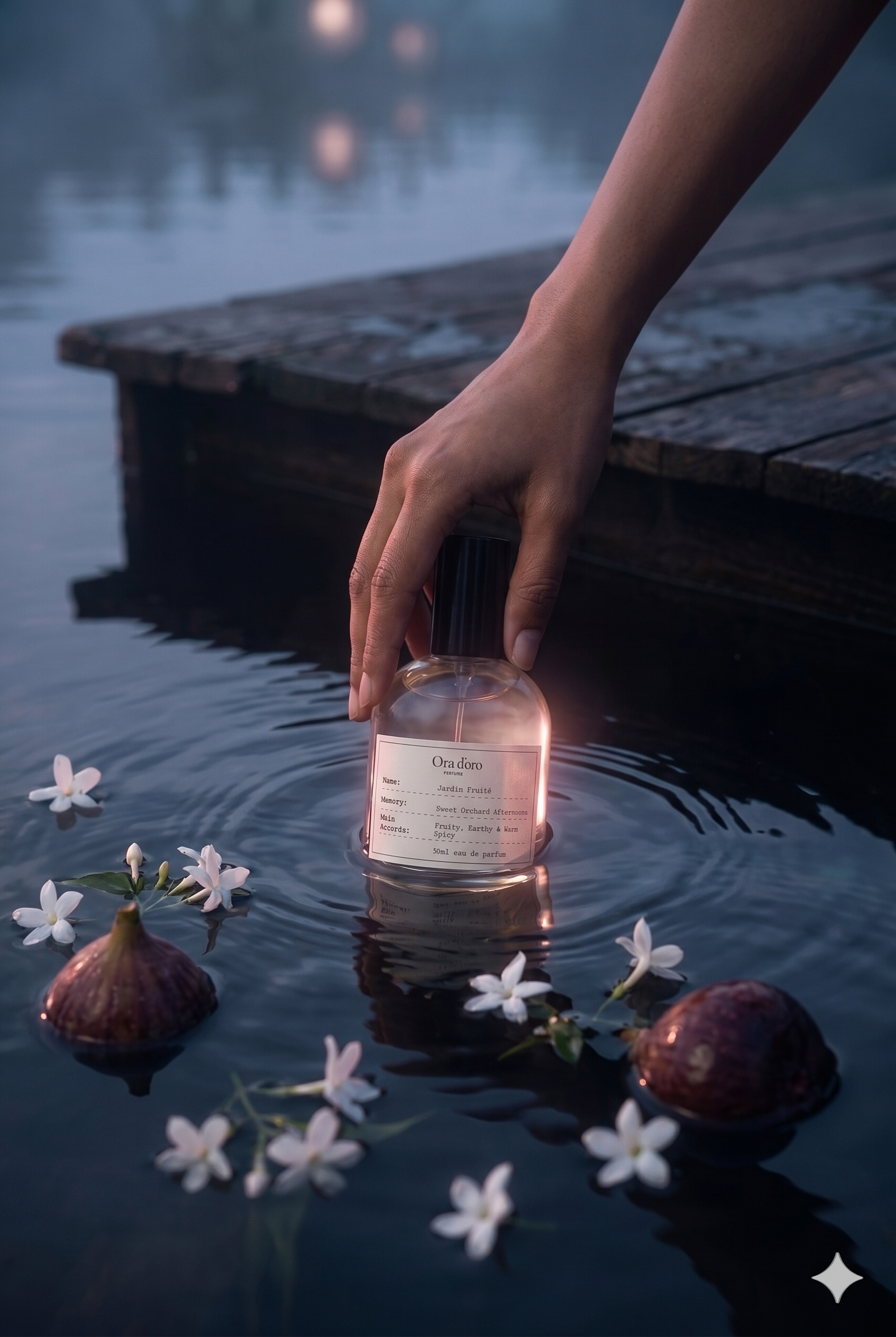
Walk down any fragrance aisle and you'll see the same two letters again and again: EDP, EDT. Most people assume it's just packaging jargon — different bottle shapes, different marketing — but the distinction is actually chemical, and it changes how a fragrance behaves on your skin.
What EDP and EDT actually mean
Both are diluted versions of pure perfume oil, mixed with alcohol and water — the difference is the ratio. Eau de toilette (EDT) typically contains 5–15% fragrance oil. Eau de parfum (EDP) concentrates that up to 15–20%. Above that sits parfum or extrait de parfum, often 20–40% oil, and below EDT sits eau de cologne, usually only 2–4%. More oil means a stronger initial scent, better "sillage" (the trail a fragrance leaves as you move — a term borrowed from the French word for the wake a boat leaves in water), and meaningfully longer wear time before the fragrance fades below the point where you or anyone else can smell it.
Is EDP just "better," then?
Not necessarily — it depends what you want from a fragrance. An EDT is lighter and more subtle, which some people prefer for close-quarters office environments, or simply because they don't want a fragrance to announce itself. An EDP asks to be noticed for longer, which is exactly the point if you want a signature scent that's still there at the end of a long day.
Why an EDP makes more sense in a hot, humid climate
Heat and humidity accelerate how fast any fragrance evaporates off skin — which is part of why a lightly-concentrated EDT that performs beautifully in a cool, dry climate can feel like it's vanished within an hour in Indian summer heat. This is a big part of why our entire collection is built as eau de parfum rather than eau de toilette: the higher oil concentration is what lets a fragrance actually survive a full day of heat rather than needing to be reapplied every few hours.
That doesn't mean every EDP in the range is heavy. Mayfair, for instance, is built around bergamot and airy water notes — a profile that reads as fresh and restrained, the kind of thing you might expect from an EDT — but because it's formulated as an EDP, it holds that freshness for hours rather than fading by lunchtime. Same goes for Clementine & Vetiver: a citrus-forward scent with the wear time of something far heavier, because the concentration — not just the note profile — is doing the work.
Next time you're choosing between two fragrances, don't just read the notes — check the concentration. It tells you almost as much about how a scent will actually live on your skin.